


| SNo. | Scientific Name | Locality | Habitat | Basis of Record | Description | Recorded By | Record Number | Island | Source | Date |
|---|---|---|---|---|---|---|---|---|---|---|
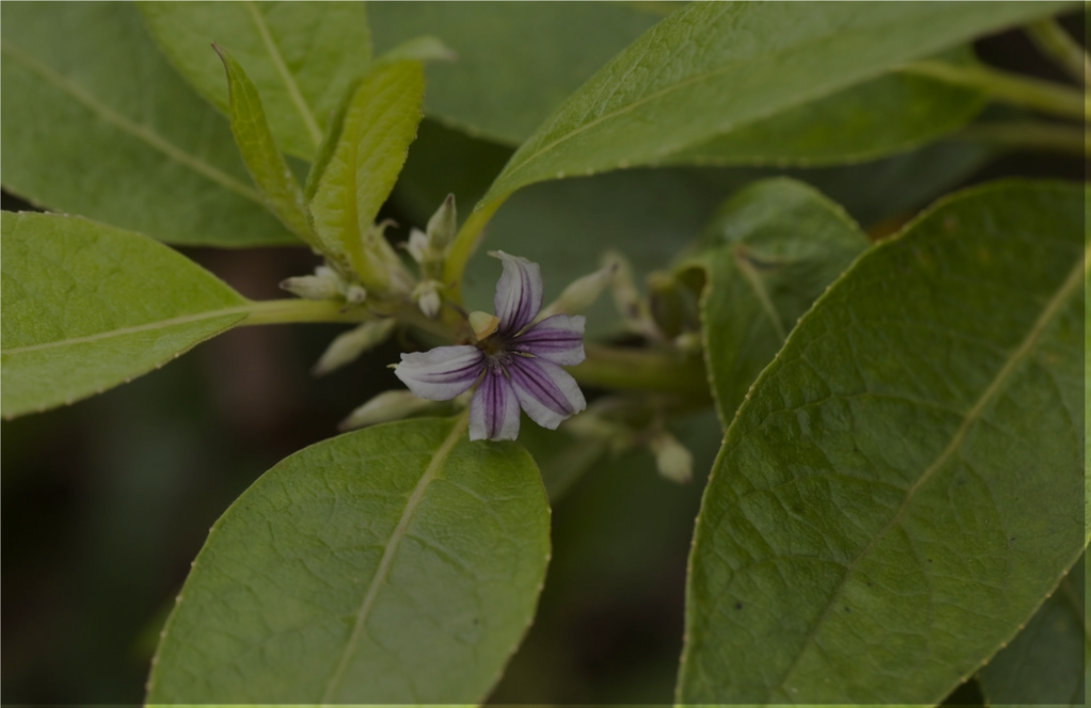
| 1 | Cyanea kauaulaensis | Locality redacted. Contact Bishop Museum Botany Department for details | Metrosideros-Dicranopteris linearis wet forest forest. W/ Pouterias sandwicensis, Pleomele, Urera grabra, Cyrtandra grsayi, Pipturus, Perrottetia sandwicensis, Xylosma hawaiiense, Diplazium sandwichianum, Cheirodendron, Psychotria, Dubautia plantagines, M | Preserved_Specimen | Upper drainage plants, about 50 plants seen, flowers and fruit, 2-3 meter ht. | Perlman, S. | 22902 | Maui | BISH | 2012-06-06 |
| 2 | Cyanea kauaulaensis | Locality redacted. Contact Bishop Museum Botany Department for details | Metrosideros polymorpha, Cheirodendron trigynum wet forest with Pipturus albidus, Boehmeria grandis, Sadleria cyathioides, Dubautia plantaginea, Machaerina angustifolia, Perrottetia sandwicensis, Cyrtandra grayi, Touchardia latifolia, Urera glabra, Coprosma pubens, Broussaisia arguta, Dodonaea viscosa, Xylosma hawaiiense. About 45 plants seen | Preserved_Specimen | 2-4m ht with flowers, flower color white | Perlman, S. | 21284 | Maui | BISH | 2008-12-02 |
| 3 | Cyanea kauaulaensis | Locality redacted. Contact Bishop Museum Botany Department for details | Vegetation: Metrosideros, Coprosma, Dodonaea, Xylosma, Kadua, Touchardia, Urera, Pipturus, Boehmeria, Perrottetia, Dubautia, Sadleria, Clermontia, Cyrtandra, Myrsine, Diplazium, Deparia. Threats: Landslides, flooding, slugs, Buddleia asiatica, Setaria palmifolia, Cortaderia jubata, Coffea arabica, Psidium guajava, Rubus rosifolius. | Preserved_Specimen | Many branched from base, shrubs to 1.75m tall; latex, corolla white; flowers in the leaf axils and extending well below the leaves along the stem with over 30 peduncles in well below the leaves along the stem with over 30 peduncles in well below the leaves along the stem with over 30 peduncles in well developed plants | Oppenheimer, H.L. | 120806 | Maui | BISH | 2008-12-02 |
| 4 | Cyanea kauaulaensis | Locality redacted. Contact Bishop Museum Botany Department for details | with Metrosideros, Dicranopteris linearis, Pipturus, Boehmeria, Touchardia, Freycinetia, Athyrium sandwichianum | Preserved_Specimen | with flowers | Perlman, S. | 10841 | Maui | BISH | 1989-10-27 |
Lorem ipsum dolor sit amet, consectetur adipiscing elit, sed do eiusmod tempor incididunt ut labore et dolore magna aliqua. Ut enim ad minim veniam, quis nostrud exercitation ullamco laboris nisi ut aliquip ex ea commodo consequat. Duis aute irure dolor in reprehenderit in voluptate velit esse cillum dolore eu fugiat nulla pariatur. Excepteur sint occaecat cupidatat non proident, sunt in culpa qui officia deserunt mollit anim id est laborum.
Lorem ipsum dolor sit amet, consectetur adipiscing elit, sed do eiusmod tempor incididunt ut labore et dolore magna aliqua. Ut enim ad minim veniam, quis nostrud exercitation ullamco laboris nisi ut aliquip ex ea commodo consequat. Duis aute irure dolor in reprehenderit in voluptate velit esse cillum dolore eu fugiat nulla pariatur. Excepteur sint occaecat cupidatat non proident, sunt in culpa qui officia deserunt mollit anim id est laborum.
Lorem ipsum dolor sit amet, consectetur adipiscing elit, sed do eiusmod tempor incididunt ut labore et dolore magna aliqua. Ut enim ad minim veniam, quis nostrud exercitation ullamco laboris nisi ut aliquip ex ea commodo consequat. Duis aute irure dolor in reprehenderit in voluptate velit esse cillum dolore eu fugiat nulla pariatur. Excepteur sint occaecat cupidatat non proident, sunt in culpa qui officia deserunt mollit anim id est laborum.
Lorem ipsum dolor sit amet, consectetur adipiscing elit, sed do eiusmod tempor incididunt ut labore et dolore magna aliqua. Ut enim ad minim veniam, quis nostrud exercitation ullamco laboris nisi ut aliquip ex ea commodo consequat. Duis aute irure dolor in reprehenderit in voluptate velit esse cillum dolore eu fugiat nulla pariatur. Excepteur sint occaecat cupidatat non proident, sunt in culpa qui officia deserunt mollit anim id est laborum.
Lorem ipsum dolor sit amet, consectetur adipiscing elit, sed do eiusmod tempor incididunt ut labore et dolore magna aliqua. Ut enim ad minim veniam, quis nostrud exercitation ullamco laboris nisi ut aliquip ex ea commodo consequat. Duis aute irure dolor in reprehenderit in voluptate velit esse cillum dolore eu fugiat nulla pariatur. Excepteur sint occaecat cupidatat non proident, sunt in culpa qui officia deserunt mollit anim id est laborum.
Lorem ipsum dolor sit amet, consectetur adipiscing elit, sed do eiusmod tempor incididunt ut labore et dolore magna aliqua. Ut enim ad minim veniam, quis nostrud exercitation ullamco laboris nisi ut aliquip ex ea commodo consequat. Duis aute irure dolor in reprehenderit in voluptate velit esse cillum dolore eu fugiat nulla pariatur. Excepteur sint occaecat cupidatat non proident, sunt in culpa qui officia deserunt mollit anim id est laborum.
Thank you for your interest in submitting an image of
Select your image and leave a brief description of your photo below.